

The Diverse Uses of Dried Mushroom Products
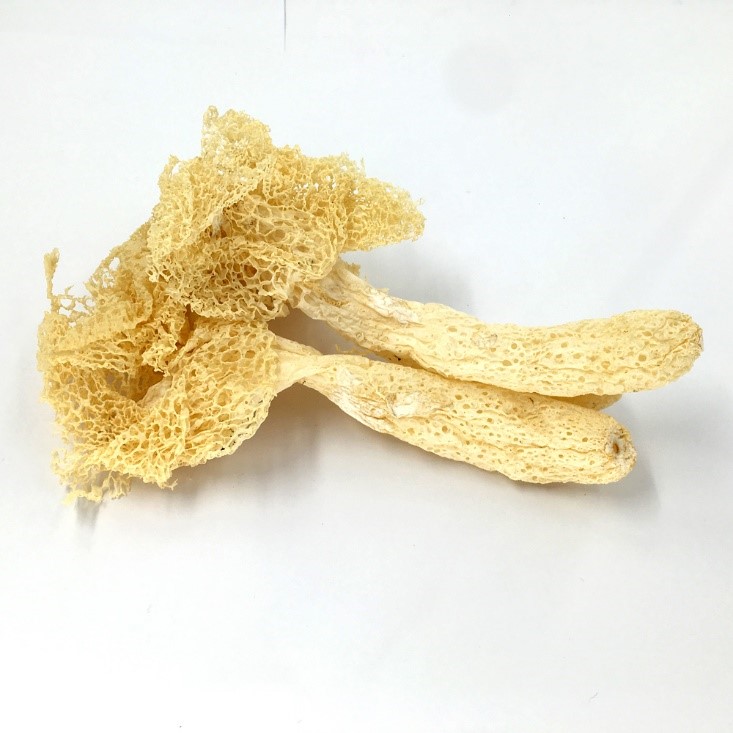
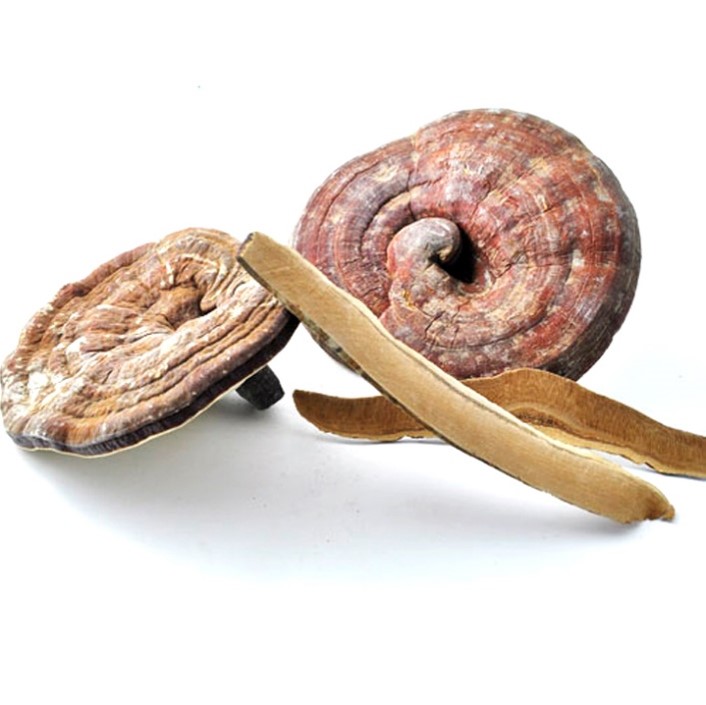
Dried mushroom products are widely used in the food industry, catering sector, and household consumption due to their rich flavor, complete nutrient retention, and long shelf life.
In the food processing field, they serve as crucial raw materials for seasonings. When crushed into mushroom powder, they are used for flavoring soups, sauces, and puffed foods, endowing the products with a unique umami taste. Meanwhile, dried mushroom products can act as the base material for snack foods. Through processes such as rehydration, seasoning, and roasting, they are made into ready-to-eat mushroom crisps, which are highly popular among consumers.
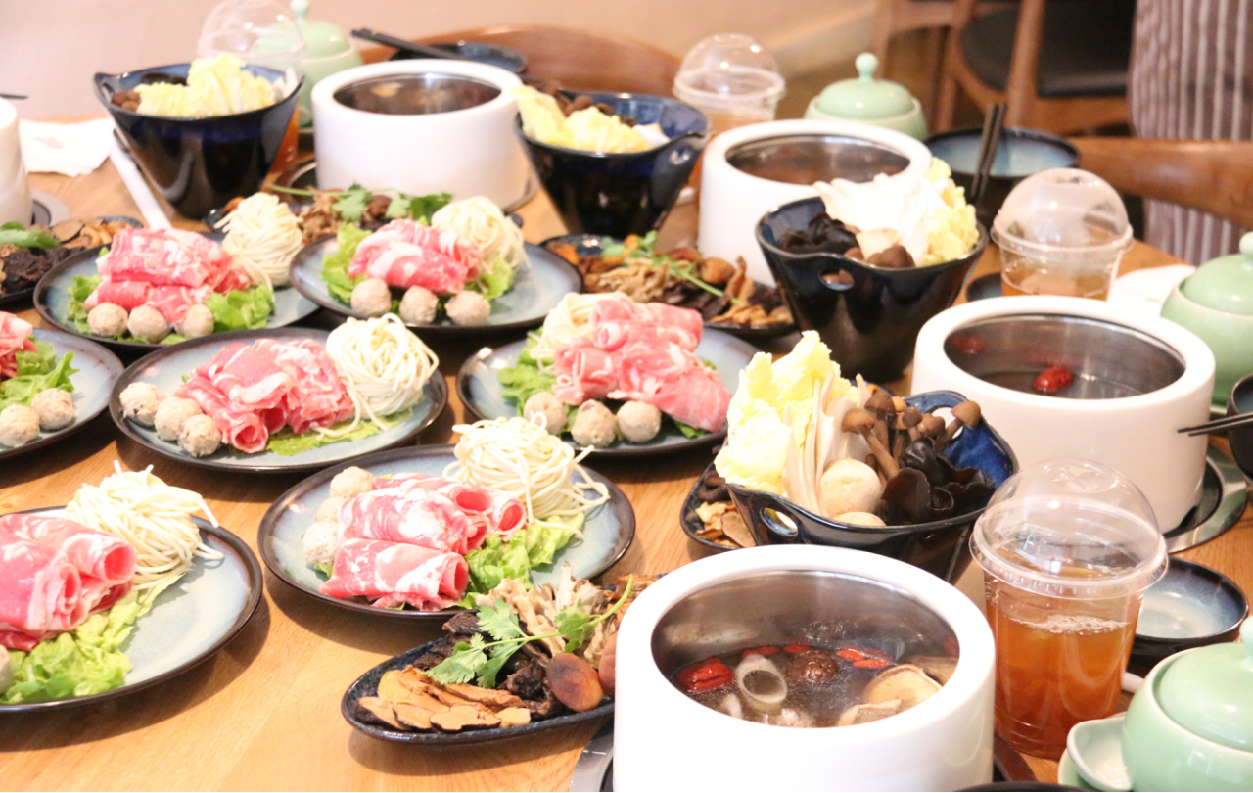
In the catering industry, dried mushroom products are common ingredients in kitchens. After rehydration, they can be used for stir-frying, making soups, and hot pot dishes—for example, braised chicken with dried shiitake mushrooms and stir-fried greens with dried oyster mushrooms—enhancing the flavor layers of the dishes. Additionally, they can be used as an ingredient in fillings to boost the umami taste of the fillings.
In the health food field, dried mushroom products are rich in nutrients such as polysaccharides, amino acids, and minerals, and can be used in the development of functional foods, such as mushroom health products and nutritional supplements.
Quality Control Guide for Dried Mushroom Products
(I) Raw Material Control
Select fresh mushrooms with no pests or diseases and appropriate maturity as raw materials. The mushrooms should be processed promptly after harvesting to avoid deterioration caused by long-term storage. Conduct classification and screening of the raw materials to remove impurities and substandard mushrooms, ensuring consistent raw material quality.
(II) Processing Process Control
- Cleaning: Clean the raw materials with running water to remove surface sediment, impurities, and residual pesticides. Avoid excessive rubbing during cleaning to prevent damage to the mushroom tissue.
- Slicing/Dicing: Cut the mushrooms into appropriate shapes and sizes according to product requirements, ensuring uniform slicing for subsequent drying.
- Drying: Drying is a key link in the processing of dried mushroom products, and temperature, humidity, and time must be well controlled. Common drying methods include hot air drying and vacuum freeze-drying. For hot air drying, the temperature should be controlled at 50-60℃ to avoid nutrient loss and flavor deterioration caused by high temperatures; vacuum freeze-drying can better retain the nutrients and shape of mushrooms but has higher costs. The moisture content of dried mushrooms should be controlled below 10% to extend the shelf life.
- Sterilization: The dried products need to undergo sterilization treatment, which can be done using methods such as ultraviolet sterilization and microwave sterilization to kill microorganisms and ensure product safety.
(III) Storage and Transportation Control
Dried mushroom products should be stored in a cool, dry, and well-ventilated warehouse, avoiding direct sunlight and humid environments. During storage, sealed packaging should be used to prevent moisture absorption and pest contamination. During transportation, avoid extrusion and collision to prevent product breakage. At the same time, control the temperature and humidity of the transportation environment to ensure stable product quality.
(IV) Quality Inspection
Establish a comprehensive quality inspection system to conduct sensory, physical-chemical, and microbial index tests on finished products.
Sensory indicators include color, odor, and shape, requiring natural color, normal odor, and intact shape.
Physical-chemical indicators include moisture content, ash content, and heavy metal content, which must comply with relevant standards.
Microbial indicators include total bacterial count, Escherichia coli, and pathogenic bacteria, to ensure product safety and hygiene.
The diverse uses of dried mushroom products provide broad space for their market development, and strict quality control is the key to ensuring product quality and market competitiveness. Relevant enterprises should strengthen raw material management, optimize processing techniques, ensure good control of storage and transportation links, and establish a sound quality inspection system to produce high-quality dried mushroom products and meet consumer needs.
Seasonal Mushroom Recommendations: Embrace Winter's Fungal Bounty for Global Palates
December 9, 2025
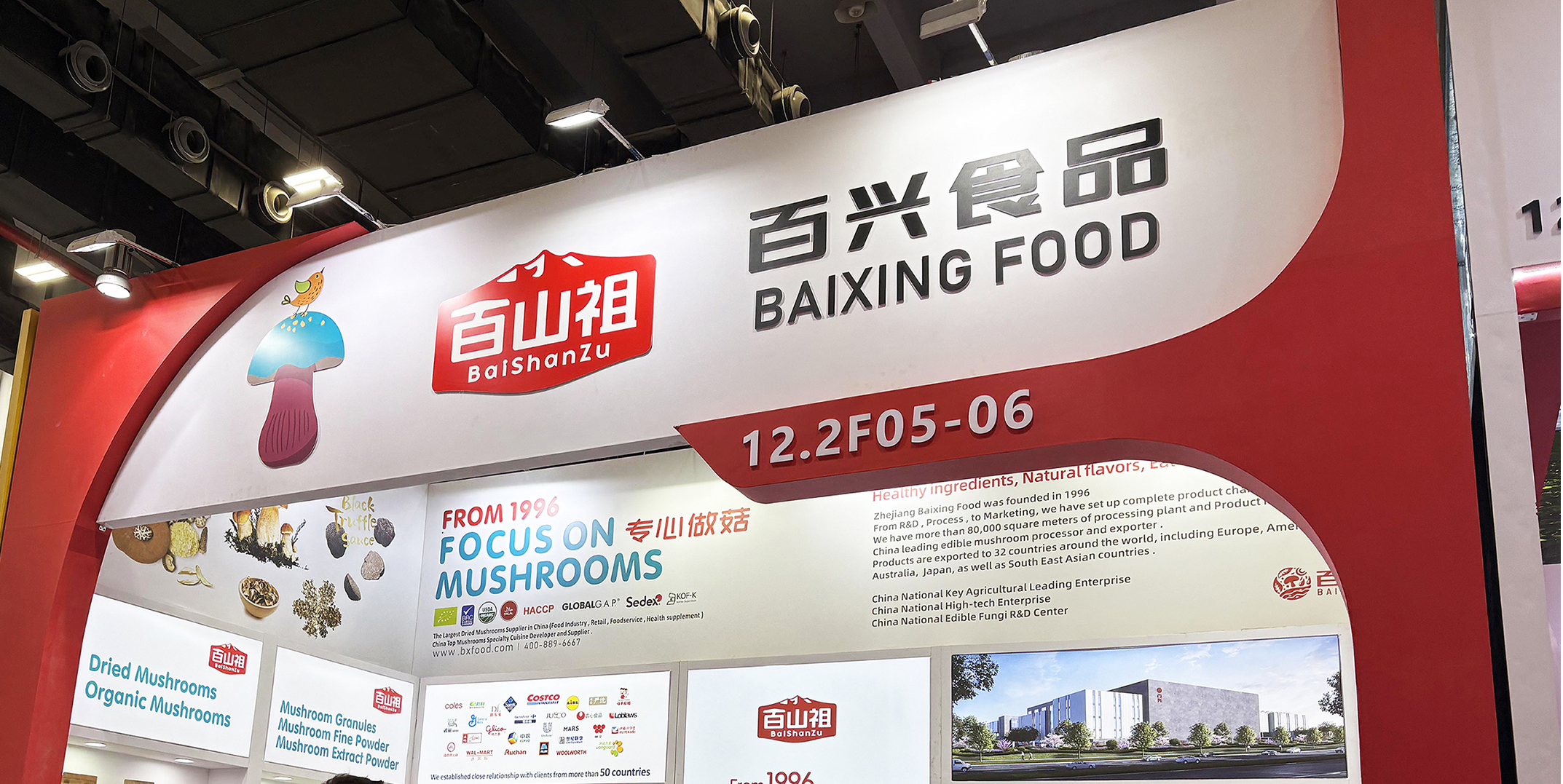
Forge Global Partnerships with Premium Mushroom Solutions: Reflections from Canton Fair 2025
November 5, 2025
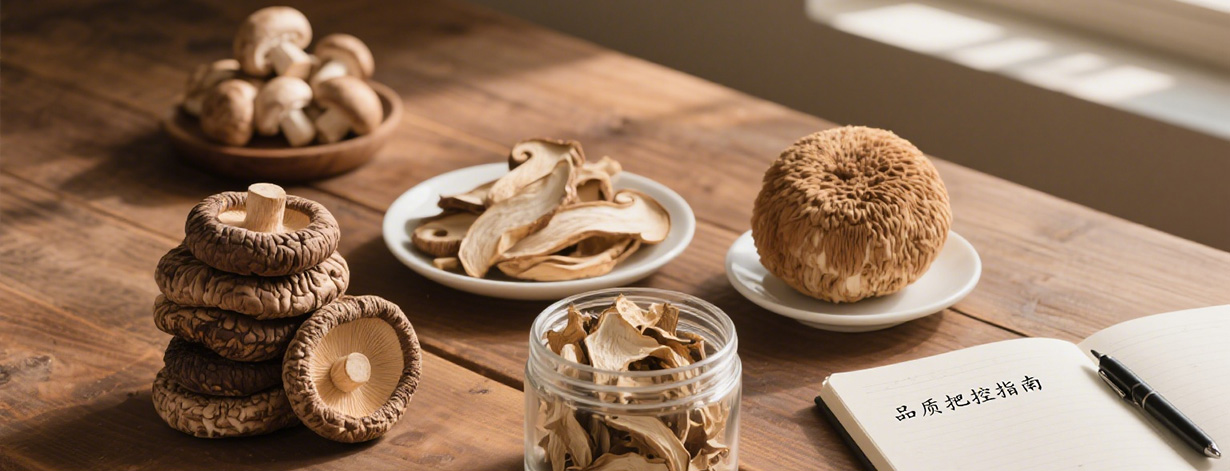
Guide to the Diverse Uses and Quality Control of Dried Mushroom Products
September 16, 2025
Fill in your information and a Baixing Food specialist will contact you.
Your opinion on product production, service cycle, cooperation mode
Any questions?